Weeks 1 - 4 of the Internship Rotation Period
- Laura C

- Sep 29, 2023
- 2 min read
Updated: Oct 20, 2023
FBF was established with the core principle of producing nutritious foods through sustainable practices. The three primary fronts of FBF are: the farm, the restaurant, and the non-profit foundation. Within the farm operation, interns are engaged in four major programs: gardening, education, aquaponics, and microgreens, with each program supervised by dedicated personnel. During the first eight weeks of the farm's internship program, interns participate in a rotation period, spending two weeks in each specific concentration.
During the initial two weeks of the rotation period, I was assigned to the garden concentration, where I worked under the supervision of Kaitlin Reyes. The garden sector at the farm plays a crucial role in producing
food crops for retail sales and for educational programs such as tours and field trips. My tasks in the garden concentration were diverse, including fertilizing the fields with compost, seeding cell trays, transplanting young plants, weeding, preparing garden rows, and maintaining accountability.
Each of these tasks came with educational insights. For instance, I learned about sustainable weed control methods that avoid the use of synthetic chemicals, aligning with the farm's commitment to sustainable food production and soil management. We also discussed the advantages of co-planting certain crops to enhance biodiversity and promote optimal plant growth. One practical example was planting beets between rows of pepper and tomato varieties to reduce insect pests and maximize land usage while preserving soil health.
During the third and fourth weeks of the rotation period, I was assigned to the education concentration, working under the guidance of Josie Curci. Josie, with her background in nutrition and extensive knowledge of FBF's operations, provided us with a comprehensive overview of the organization's three main operations. The Farm office manager even provided an introductory lesson on non-profit accounting. One significant aspect of the education concentration was the biodigester operation, a vital project aimed at reducing kitchen and farm waste while producing non-synthetic fertilizer for the farm's fields. Kitchen and farm food scraps are regularly collected and processed through the biodigester, aiming to create nutrient-rich slurry for the farm's fertigation system. Josie and the team are currently in the early stages of implementing a spreadsheet and app to monitor the types of food scraps and their respective nutrient content fed into the biodigester, ensuring effective monitoring of the garden's fertilizer requirements.
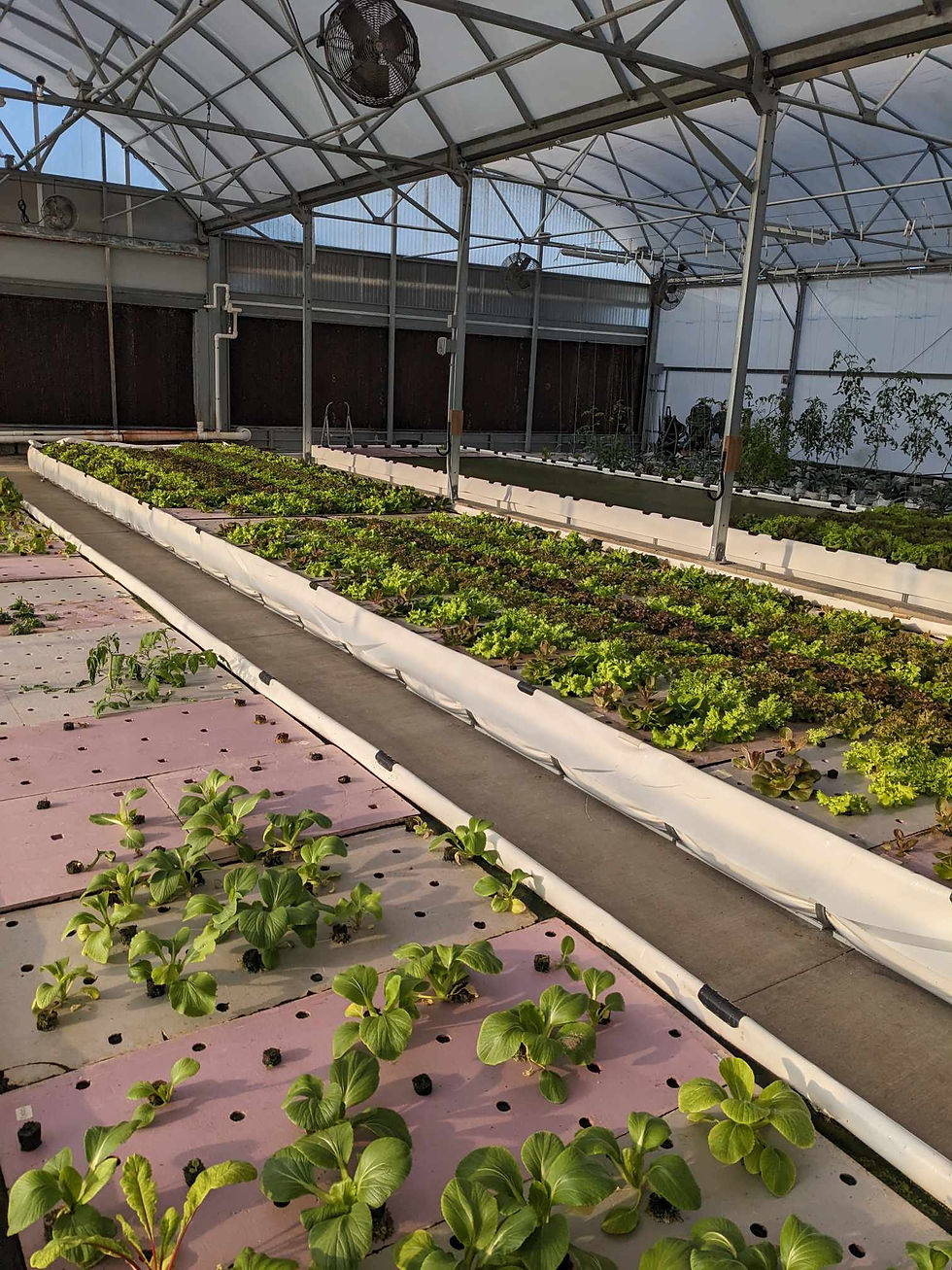
While in the education concentration, I had the opportunity to develop an educational activity designed for school field trips at the farm. I designed an interactive game for K-5 students, allowing them to participate in the aquaponics system by acting out each step of the aquaponics process. I also had the opportunity to create graphic content aimed at enhancing the farm's communication strategies. As part of this initiative, fellow intern Dylan and I collaborated by creating an 80-second Instagram video discussing the coastal shoreline that borders the southern boundary of the farm. We also drafted a newsletter page highlighting the resilience and ecosystem services offered by the coastal wetland environment on the farm property. It's worth noting that these projects have not been publicly shared by the organization at this time. However, here are some photos taken during the creation of these projects.



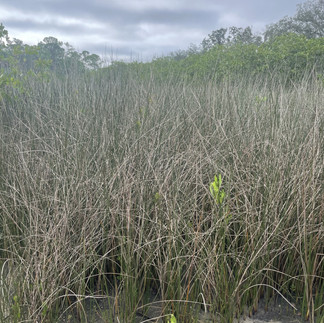


Rhizophora mangle Spartina alterniflora Crab chambers; Juvenile mangroves;
Red mangroves in Upper Tampa Bay Saltmarsh cordgrass Sesuvium spp. - Shoreline seapurslane


Comments